Mongolia Photo Tour
Mongolia Photo Tour
22nd Feb to 04th March 2027
View Dates & Prices
Group Size
4 Participants
Mongolia
MONGOLIA PHOTO TOUR – OVERVIEW
The Migration of the Eagle Hunters
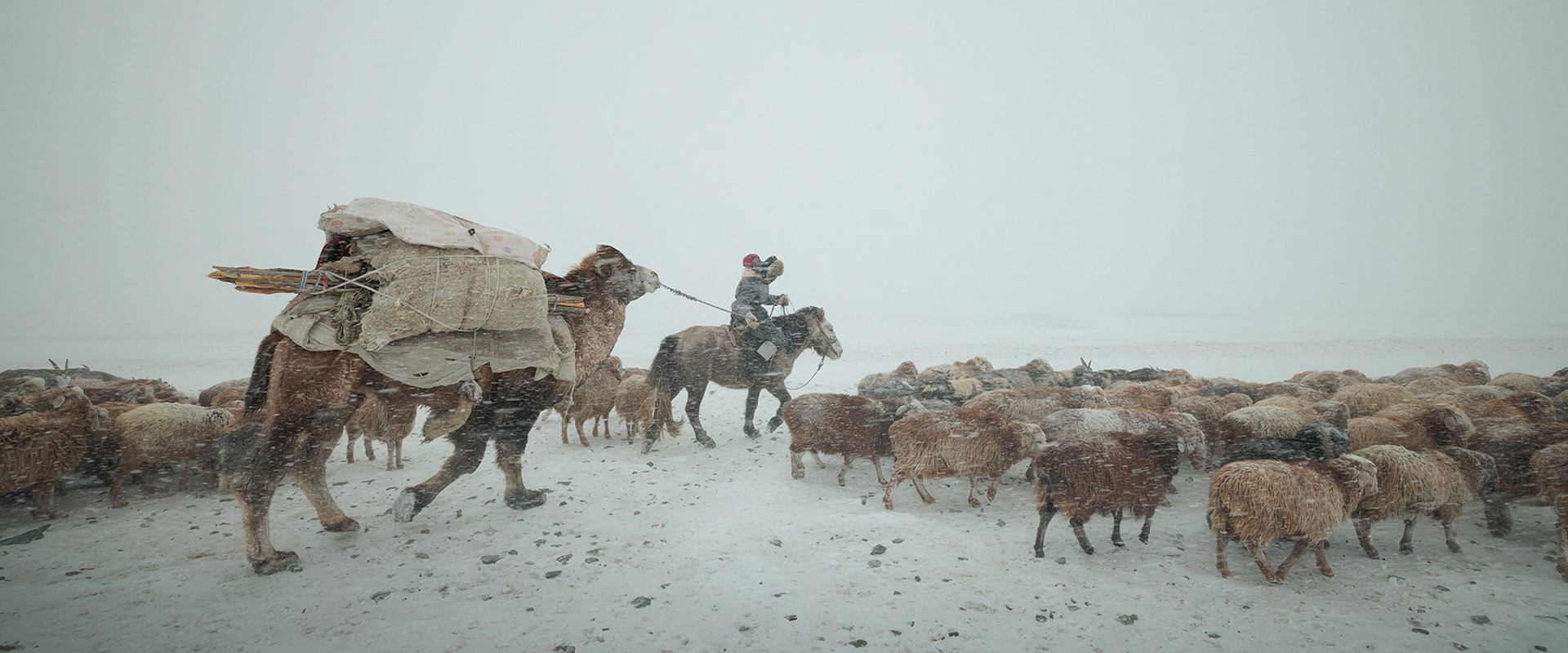
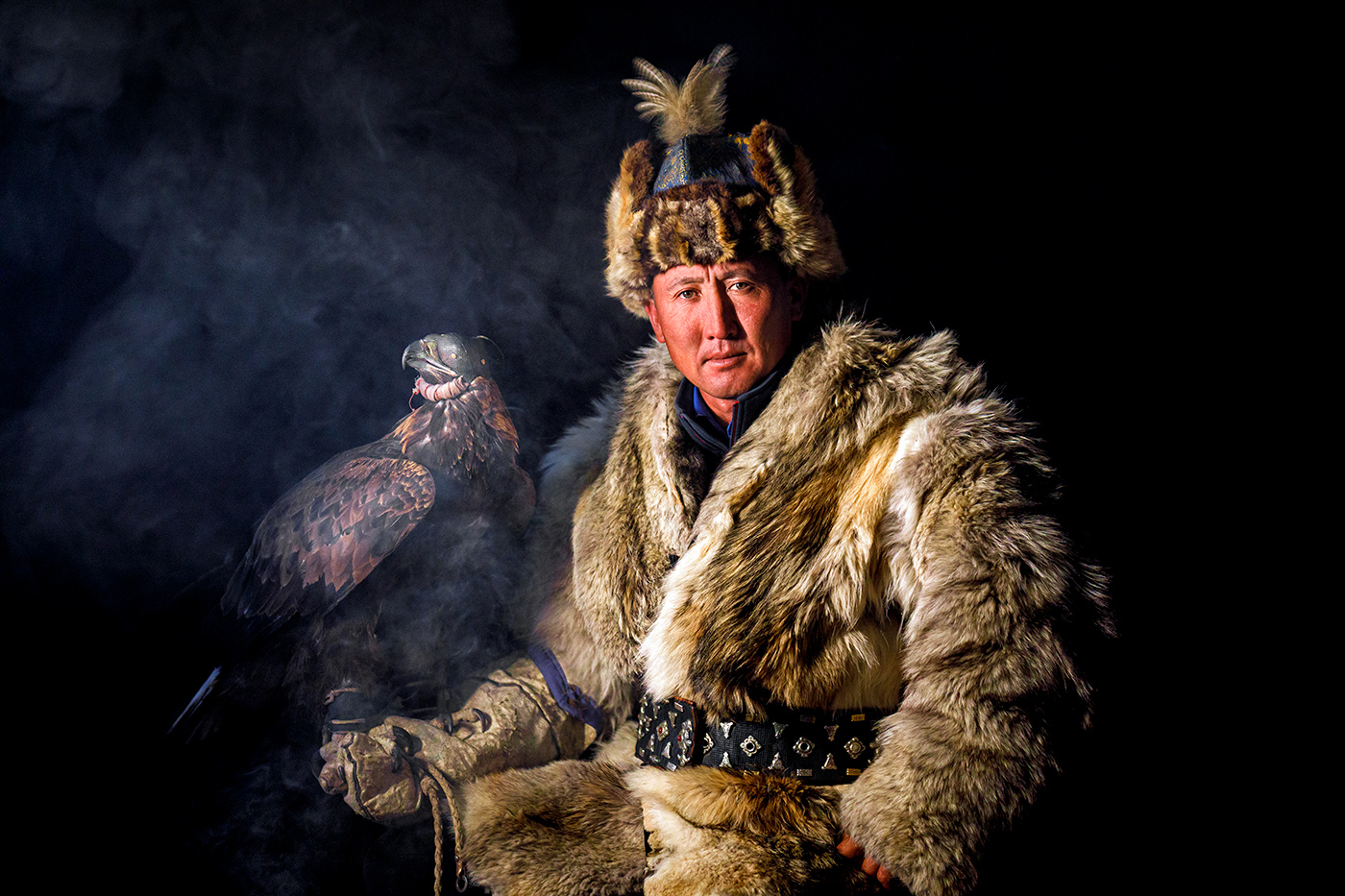
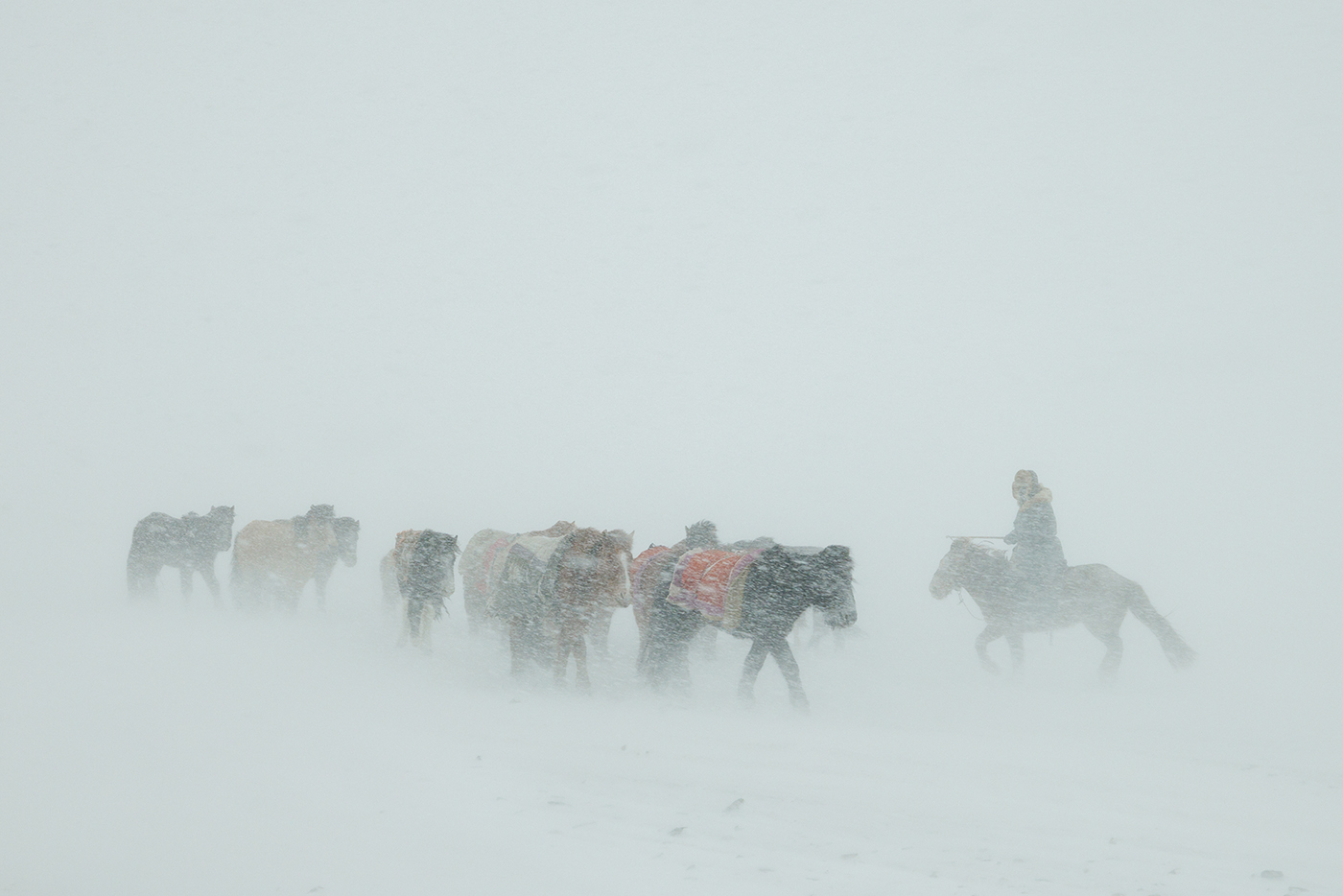
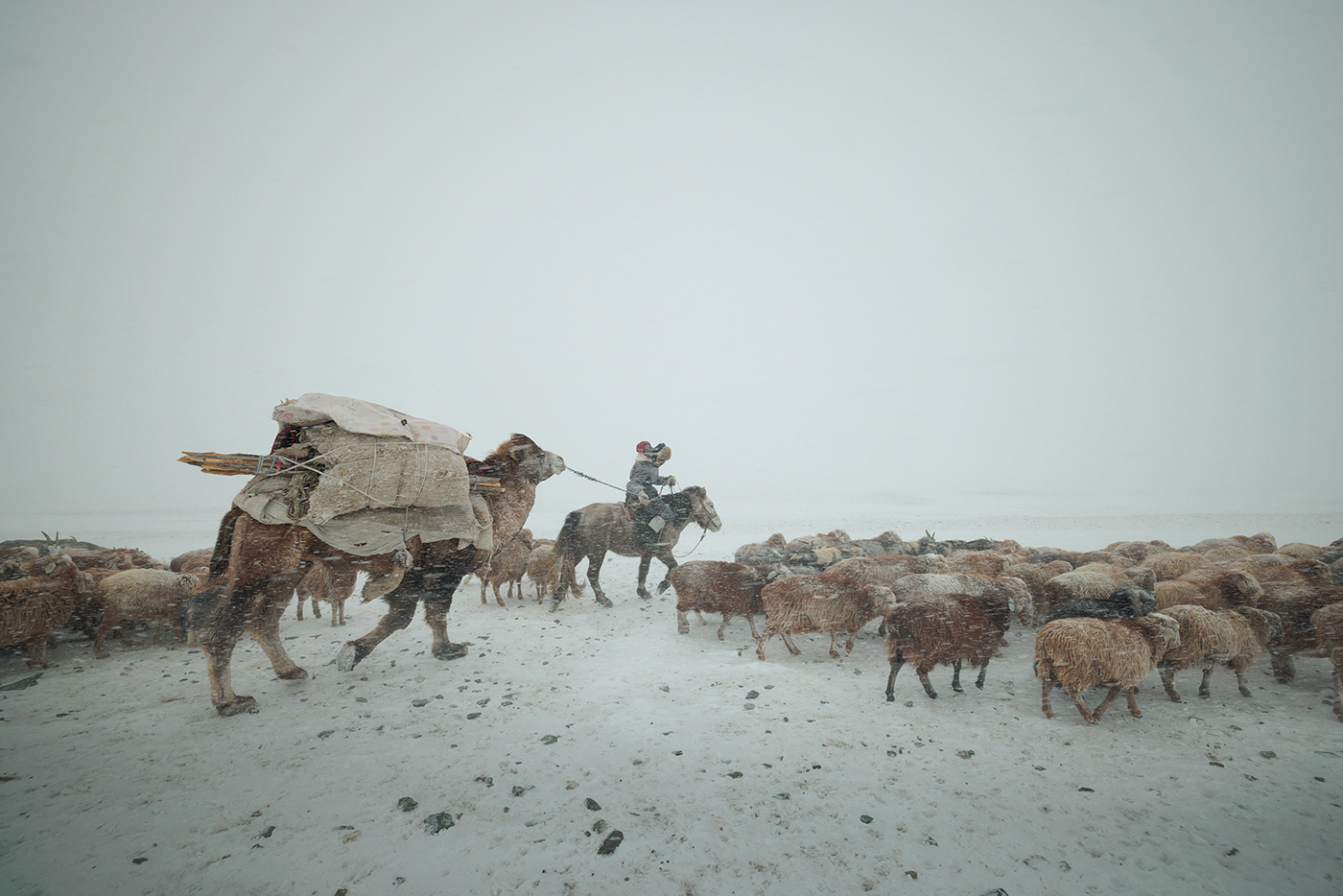
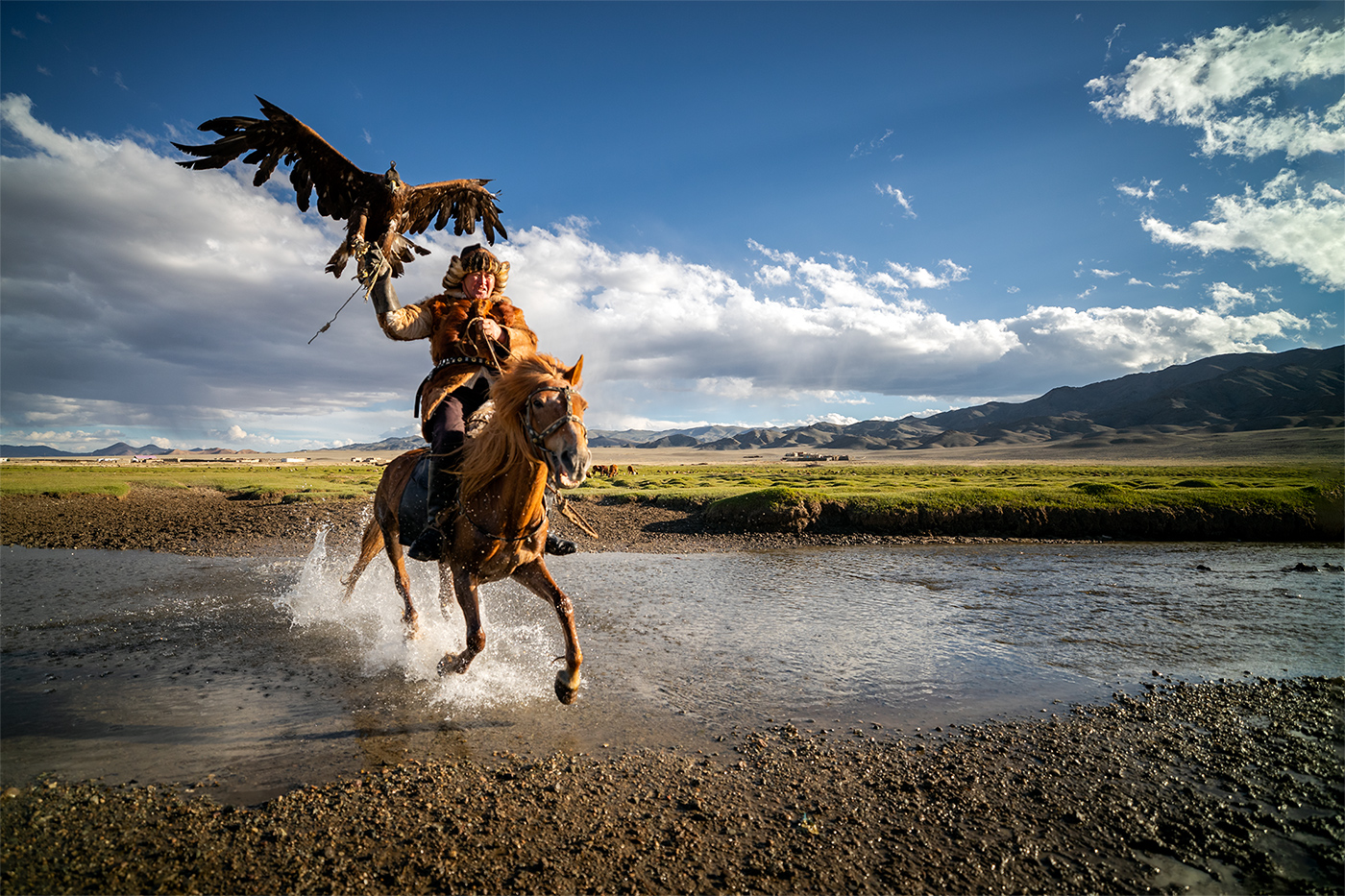
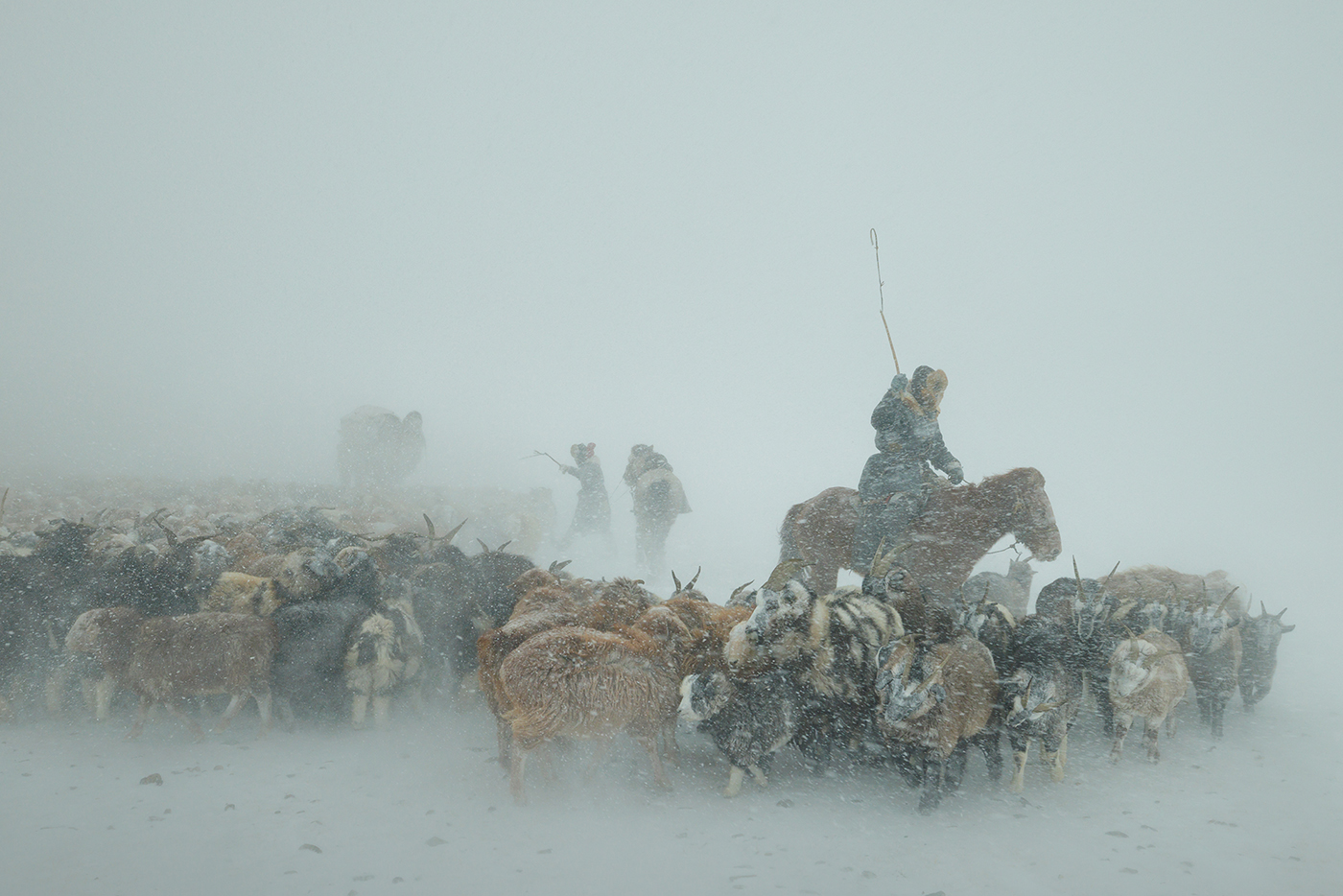
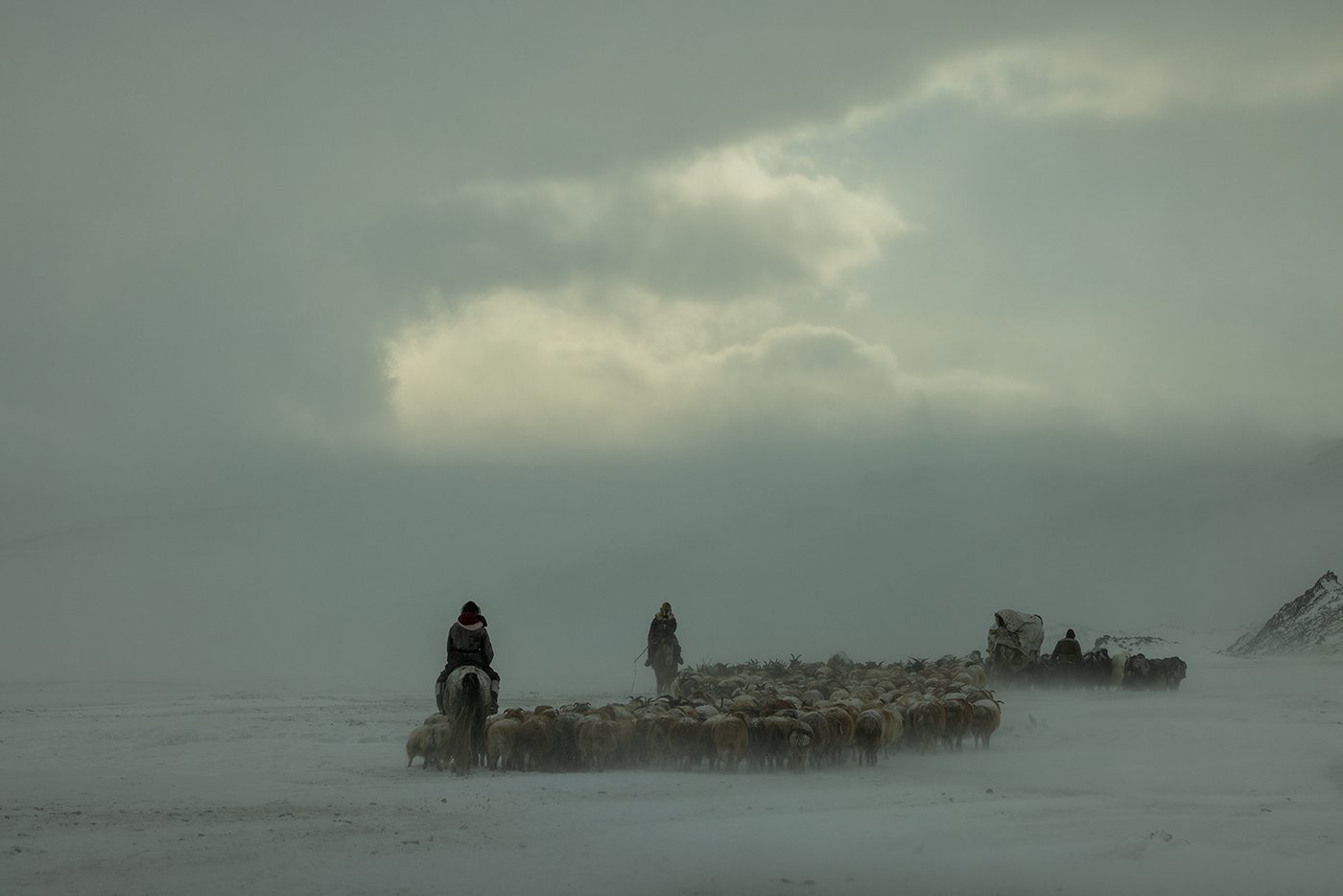
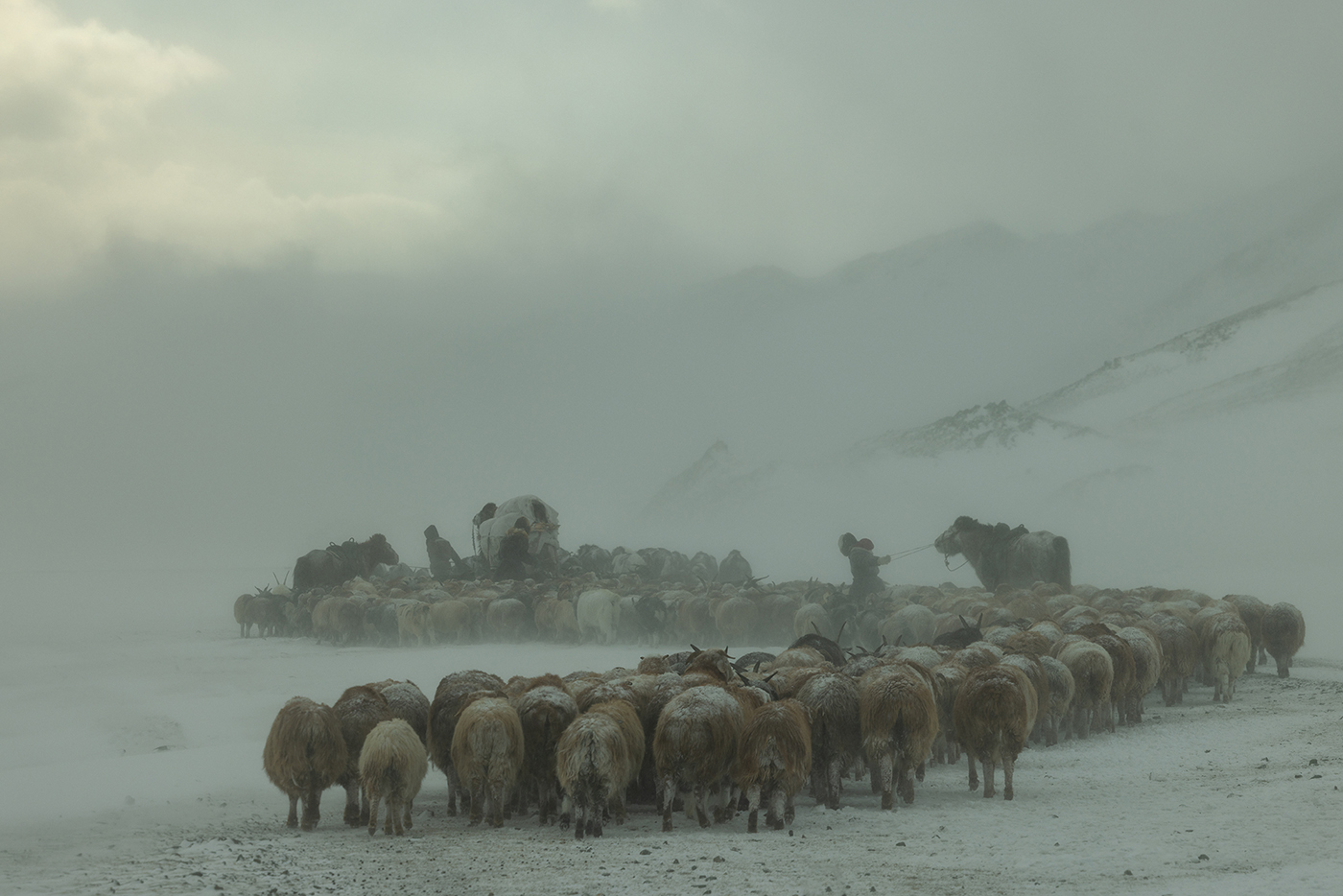
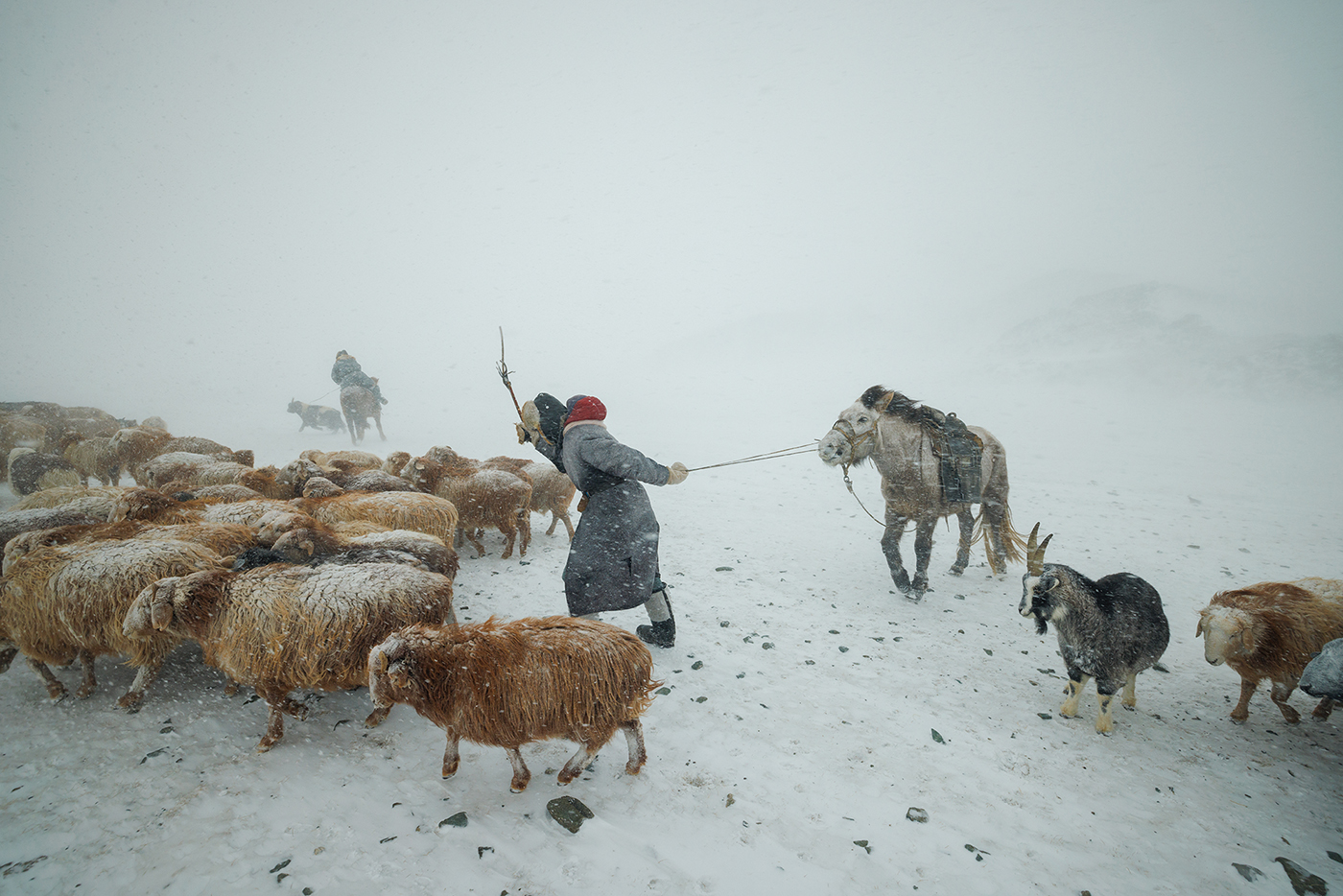
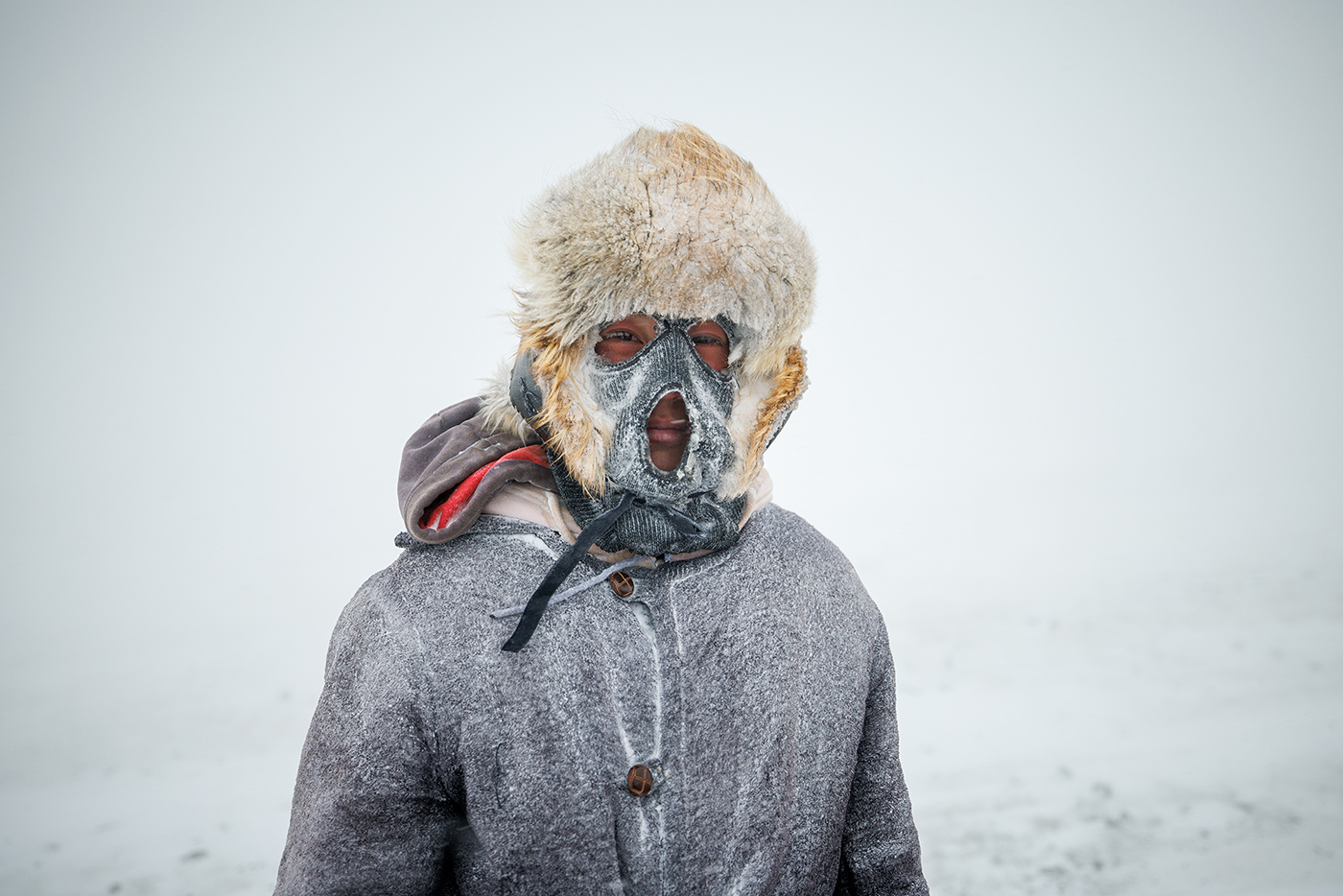
This once-in-a-lifetime expedition is designed for adventurous photographers seeking an authentic and deeply immersive cultural experience. I invite just four participants to join me on an extraordinary nomadic migration across Mongolia’s Altai Mountains, traveling alongside my long-time friend, Kazakh Eagle Hunter Yermyek, his family, and Shokhan. Together, we move with nearly 2,000 animals—including camels, horses, goats, sheep, and yaks—across frozen lakes, snow-covered mountain passes, and vast winter valleys of the Altai, gaining rare and intimate access to a way of life that has remained largely unchanged for centuries.
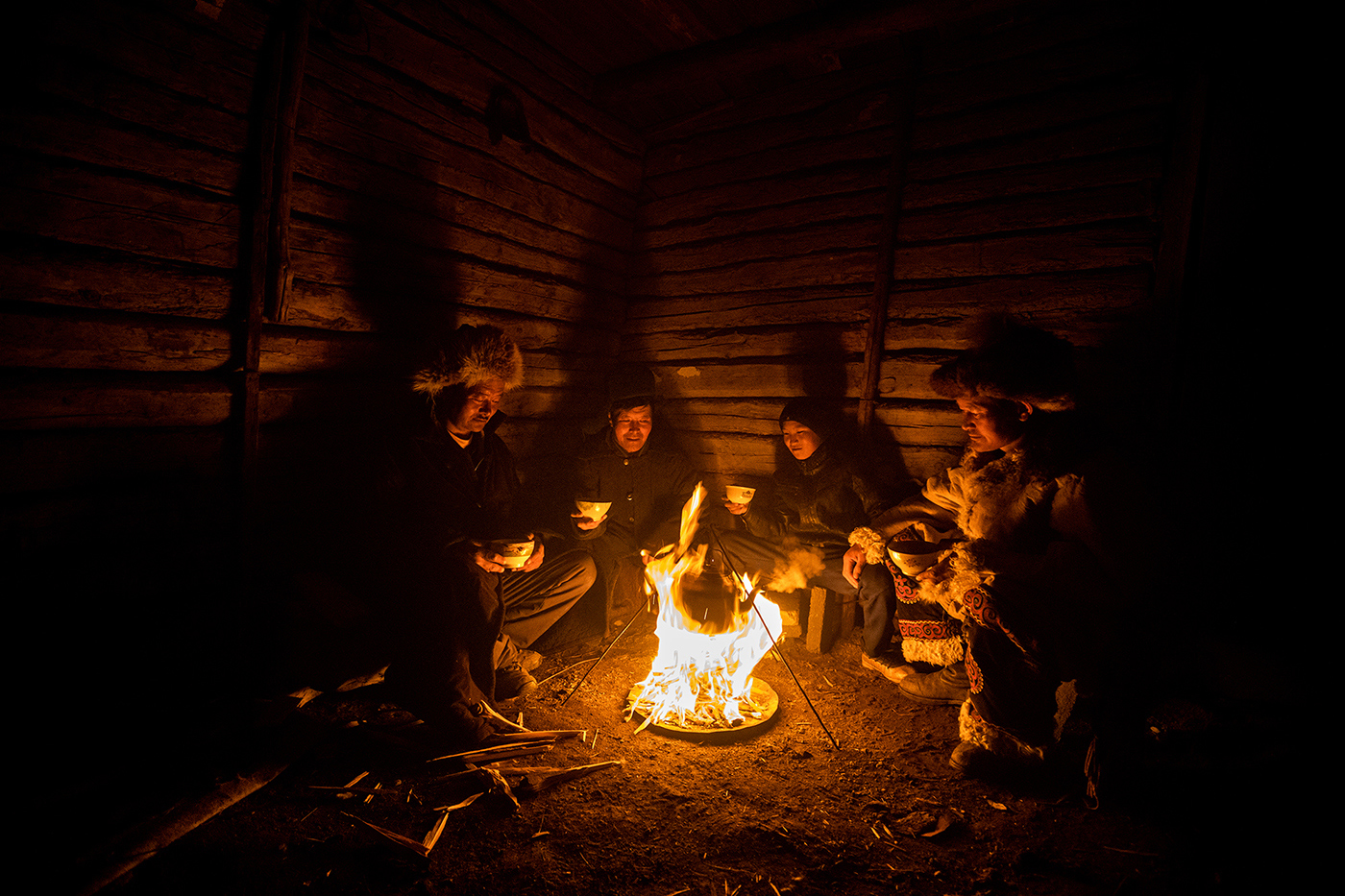
Supported by six off-road vehicles and a highly experienced local team—including cooks and translators—we set up warm, traditional gers each night along the migration route. Even as winter temperatures regularly drop to –30°C, evenings are spent in comfort with home-cooked meals and heated tents after long, rewarding days in the field.
MONGOLIA PHOTO TOUR – OVERVIEW
The Migration of the Eagle Hunters
This once-in-a-lifetime expedition is designed for adventurous photographers seeking an authentic and deeply immersive cultural experience. I invite just four participants to join me on an extraordinary nomadic migration across Mongolia’s Altai Mountains, traveling alongside my long-time friend, Kazakh Eagle Hunter Yermyek, his family, and Shokhan. Together, we move with nearly 2,000 animals—including camels, horses, goats, sheep, and yaks—across frozen lakes, snow-covered mountain passes, and vast winter valleys of the Altai, gaining rare and intimate access to a way of life that has remained largely unchanged for centuries.
Supported by six off-road vehicles and a highly experienced local team—including cooks and translators—we set up warm, traditional gers each night along the migration route. Even as winter temperatures regularly drop to –30°C, evenings are spent in comfort with home-cooked meals and heated tents after long, rewarding days in the field.
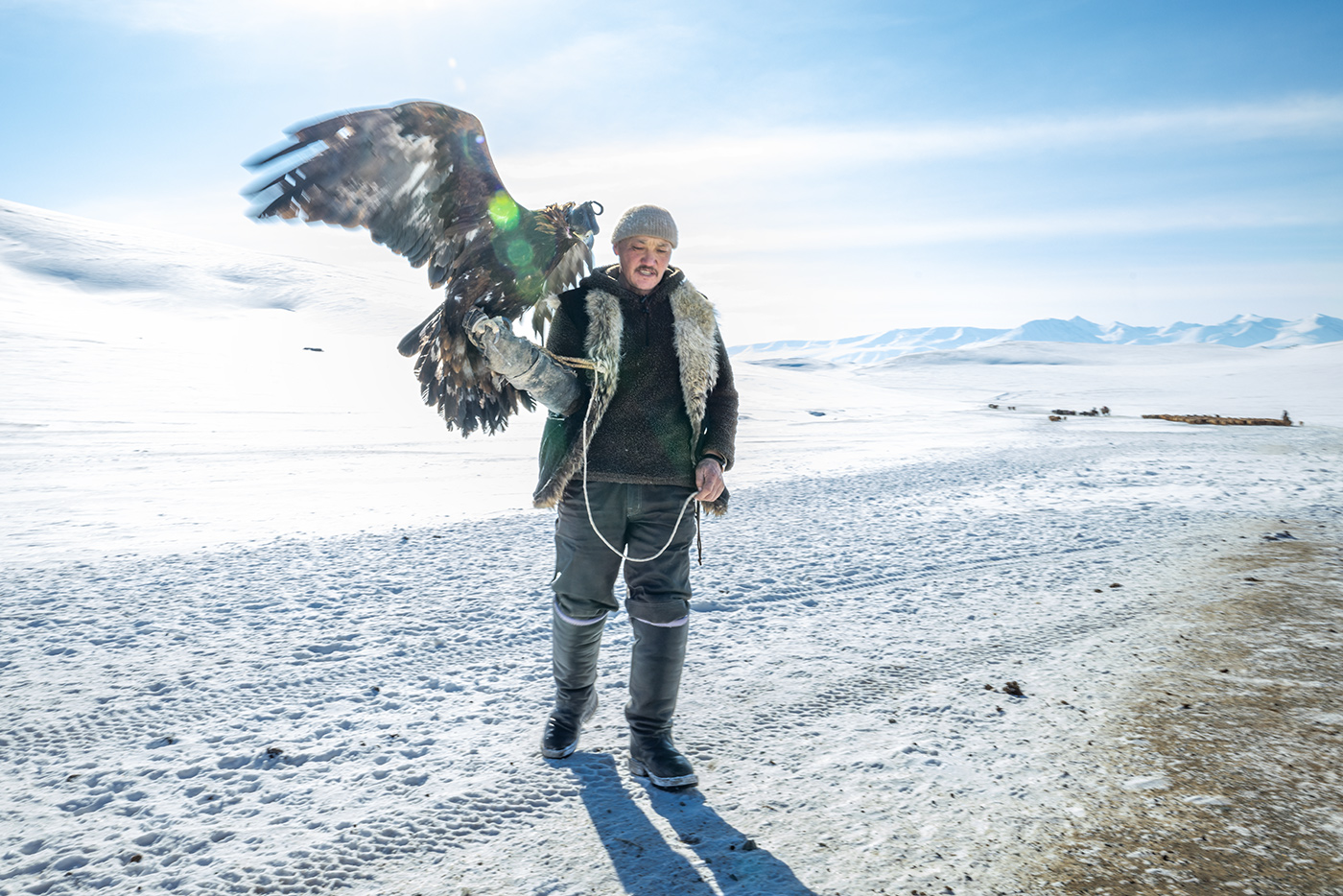
Our journey leads us to the eagle hunter family’s spring camp in Tavan Bogd National Park, a spectacular and rarely visited region during winter. Here, we spend several days camped alongside the family—photographing daily life, accompanying Yermyek on hunts with his Golden Eagle, and engaging deeply with his extended family in this truly remote setting—before returning to Ulaanbaatar with unforgettable experiences and powerful visual stories.
To ensure exceptional access and seamless logistics, we work with the same trusted fixers and guides who supported the BBC’s Human Planet team during their pioneering journey through western Mongolia. To preserve the integrity of the experience and minimize impact, the group is strictly limited to four participants. Throughout the expedition, I travel with you at all times, offering hands-on guidance in the field along with insight into my approach to shooting, editing, and post-processing—ensuring not only outstanding photographic opportunities, but also a meaningful and enriching learning experience.
EXPEDITION LIMELIGHT
- An incredible 11-day once-in-a-lifetime experience for adventurous photographers on an awe-inspiring nomadic migration across Mongolia’s Altai mountains with a Kazakh family.
- A small group of only 4 participants, guided in areas which have until now been hardly photographed and the group would be accompaniment by an internationally renowned photographer with great knowledge of the region.
- You’ll have the lifetime experience to live alongside nomadic Kazakh Eagle Hunters in their remote family yurts, experiencing their everyday lives.
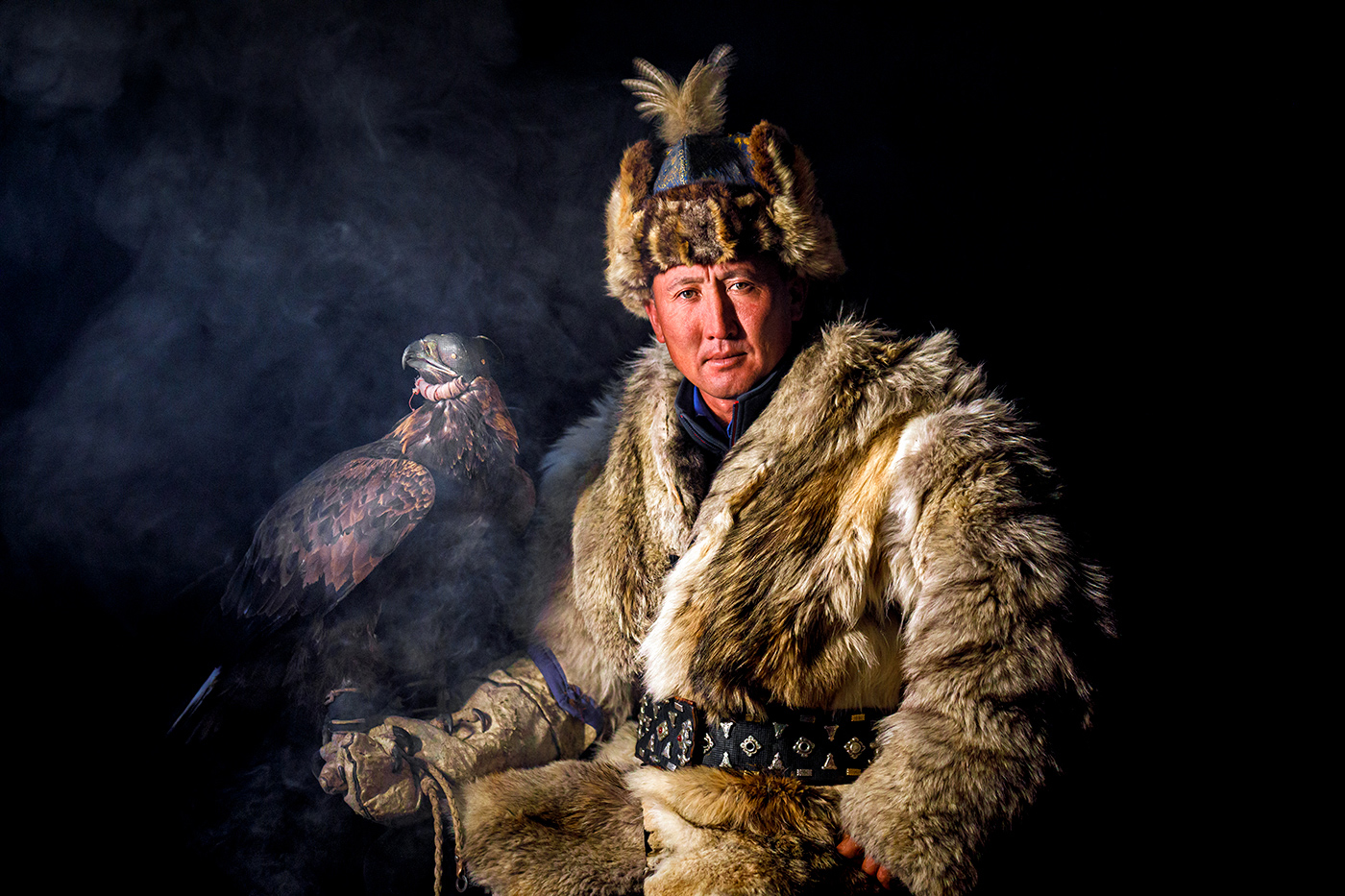
- Concentrated private photo sessions with traditional Eagle Hunters.
- A true photographic adventure in the wildest regions of Western Mongolia.
- Special attraction – Private eagle hunting festival to photograph the Eagle Hunters practising their hunts with their trained Golden Eagles.
- An exceptional opportunity to create striking landscape images in some of the most visually stunning locations of the Altai Mountains.
- A local English-speaking guide who is knowledgeable about the natural and human history of northern Mongolia.
ABOUT EAGLE HUNTERS
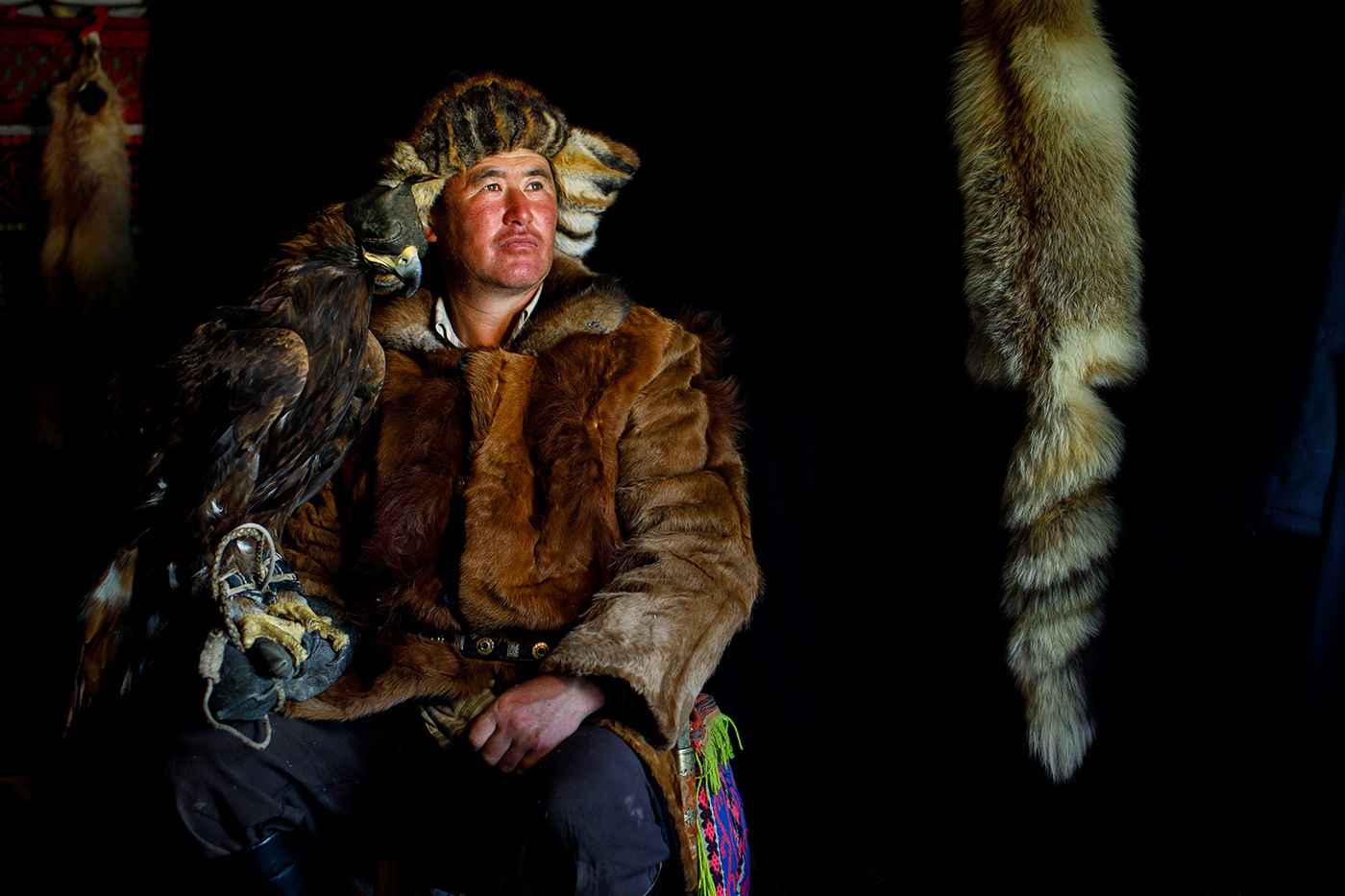
Imagine a world that is wild, untouched and so remote that it is one of the least inhabited areas on Earth. A world that is home to a group of people who have developed a unique relationship with one of the world’s most revered birds of prey, the Golden Eagle. This is the world of the Kazakh Eagle Hunters, who not only survive in this amazing landscape but have developed a wonderful relationship with eagles to hunt with them for prey, including rabbits and even foxes.
Deep in the rugged hills of the Altai Mountains region of western Mongolia, live a group of hunters with an extremely rare skill of hunting small mammals with golden eagles. These are the ‘Kazakhs’. The Kazakhs are the descendants of Turkic, Mongolic, and Indo-Iranian indigenous groups and Huns who populated the territory between Siberia and the Black Sea. For more than 4000 years, nomadic tribes of the Altai region have trained their young men and women in the ancient Mongolian art of golden-eagle hunting and have developed and nurtured a special bond with golden eagles for centuries. The ancient art of eagle hunting is one of the many traditions and skills that the Kazakhs and the Kyrgyz in contemporary Kazakhstan and Kyrgyzstan have held onto for the last decades. They don’t hunt eagles, but rather use the revered golden eagle as their tool and form a close bond with the bird of prey along the way.
Historically, the golden-eagle hunters known as ‘Burkitshi’ have been male, as the age-old art was traditionally handed down from father to son. However, in recent years, very few courageous women have developed this skill. Today, there are at least 8 female Mongolian golden-eagle hunters.
ITINERARY
Pre-Tour Briefing
A comprehensive pre-tour briefing covering the highlights of the expedition, key photography opportunities, winter shooting conditions, safety precautions for both participants and equipment, and detailed travel guidance to and from Ulaanbaatar. The briefing will also prepare you for the logistical flow of the journey and the cultural etiquette encountered during the Mongolia Winter Photo Tour.
All discussions will take place after your seat is confirmed and will be conducted through a dedicated WhatsApp group, with follow-up communication via email, scheduled phone calls, and video calls, ensuring you are fully prepared for the journey ahead.
Day 1 - Arrival in Ulaanbaatar
Your journey begins upon arrival at Ulaanbaatar (UB) International Airport, where our team will warmly welcome you and transfer you to your hotel located in the heart of the city.
In the evening, we’ll gather for a traditional Mongolian dinner at a local restaurant, followed by an in-depth briefing and discussion about the days ahead—covering the journey, winter photography opportunities, and expectations for the expedition.
Overnight accommodation will be at a comfortable hotel in central Ulaanbaatar.
Day 2 - Exploring Ulaanbaatar – Culture, History & Orientation
After an early morning breakfast, we set out for a full day exploring the cultural and historical highlights of Ulaanbaatar.
Today’s visits include Dashchoilin Monastery, the Genghis Khan Museum, and Gandantegchinlen Monastery, Mongolia’s most important active Buddhist monastery. We’ll also explore Sukhbaatar Square, the symbolic heart of the city.
Lunch will be at a local restaurant, followed by a visit to the Dinosaur Museum, offering insight into Mongolia’s remarkable paleontological heritage. Later in the afternoon, we’ll enjoy a short walk to Zaisan Hill for panoramic views over the city.
The day concludes with practical orientation stops, including a visit to the local black market, time for currency exchange, and a stop at selected souvenir and cashmere shops.
Overnight accommodation will be at a comfortable hotel in central Ulaanbaatar.
Day 3 - Fly to Ulgii · Journey to Ulaankhus · Winter Camp with Eagle Hunters
We begin with an early morning flight to Ulgii, arriving around 9:30 AM after a two-hour journey covering approximately 1,100 kilometers. Ulgii is the largest town in western Mongolia and home to nearly 80% of the world’s Kazakh Eagle Hunters.
After a short breakfast in Ulgii, we visit the local market to purchase essential supplies for the upcoming migration. We then drive approximately three hours to Ulaankhus, where we set up our first winter camp alongside our host and long-time good friend, Kazakh Eagle Hunter Yermyek, and his family.
Ulaankhus is a remote district in Bayan-Ulgii Province, set within a beautiful river valley. Here, Yermyek’s family lives in their cozy winter house built from wood and clay, while their autumn camp consists of traditional yurts located nearby—much as their ancestors lived centuries ago.
After a warm welcome with tea and snacks, we begin our first photography sessions with the Eagle Hunters in their winter environment, focusing on authentic moments and daily life.
Later in the day, we spend time with our Kazakh hosts as they pack down their winter camp, preparing their belongings for departure the following day—offering a rare and intimate glimpse into nomadic life.
Dinner will be prepared by our expedition cook, featuring a combination of Western food and local cuisine, along with hot meals, coffee, and snacks.
Overnight accommodation will be in our private Ger(yurt) or winter camp, set up beside the family’s house.
Day 4 - Migration Day 1 – Into the Altai Mountains
We depart at first light to begin the family’s epic winter migration. Over the next four days, we will accompany our Kazakh hosts as they move through the dramatic landscapes of the Altai Mountains—one of the most powerful and immersive experiences of the entire journey.
Migration days begin early. The family dismantles their ger while the animals are rounded up—often moving instinctively in separate herds. Migration is a cyclical rhythm of life here, deeply ingrained in both people and animals.
Traditionally, men travel on horseback, while women ride horses or accompany pack animals. Bactrian camels are used to transport household belongings, including ger components, carpets, cooking utensils, shelves, and stoves. Today, where available, trucks may also assist in moving the family’s home, blending ancient tradition with modern practicality.
Herders begin moving the animals before sunrise, and we walk alongside the nomads and their herds, photographing the journey as it unfolds while following the family toward their spring camp. Each day, our ground team drives ahead in dedicated 4×4 vehicles to set up our ger tents for sleeping and dining.
Daily walking distances range from approximately 10 to 15 kilometers. While the walking is manageable, conditions can be cold, and participants are always welcome to ride in one of the support vehicles whenever needed.
Photography opportunities extend from sunrise through well past sunset, capturing the full rhythm of migration life.
Overnight accommodation will be in traditional gers (yurts).
Day 5 - Migration Day 2 – Toward the Tuvan Winter Shelters
Today, the migration continues toward the winter shelters of Saina’s Tuvan ethnic community, moving deeper into the remote Altai landscapes.
Throughout the day, you’ll have outstanding opportunities to photograph livestock and herdsmen, vast winter landscapes, frozen lakes, and dramatic snow-capped mountains. These moments offer powerful storytelling imagery as people, animals, and land come together in perfect rhythm.
The herding families navigate this vast terrain without maps or GPS, relying instead on the position of the sun, the contours of the hills, and familiar natural landmarks—knowledge passed down through generations.
Overnight accommodation will be in traditional gers (yurts), set up by our support team along the migration route.
Day 6 - Migration Day 3 – Toward Tsengel Khairkhan & Dayan Lake
The day begins before sunrise as the herdsmen once again start moving their animals in the early morning hours, following the familiar and time-honored rhythm of migration.
Today’s journey leads toward Buudal, a traditional resting point where migrating families pause to regain strength before the most demanding section of the route—crossing a frozen lake and a snow-covered high mountain pass.
As we move through the landscape, we’re greeted by crisp mountain air and the soft morning glow illuminating the Altai range. The migration then continues toward the dramatic, snow-capped peaks of Tsengel Khairkhan, a high-altitude region known for its rugged terrain and breathtaking winter scenery.
This marks the final day of the migration. As before, the journey begins before sunrise and continues steadily through the day as we cross frozen lakes and mountain passes, including the frozen Khara-Kol Lake. By early evening, we arrive at the Dayan Lake region, reaching the host family’s spring camp along with their livestock.
Upon arrival, the family begins settling into their new home, marking the successful completion of their seasonal journey. In the evening, we’ll arrange a celebratory feast to honor this epic migration and the shared experience.
Overnight accommodation will be in a warm, traditional ger (yurt).
Day 7 - Rest Day – Portraiture & Landscape at Tavan Bogd
Today is a more relaxed day spent at Yermyek’s spring camp, nestled deep within the snow-covered mountains of Tavan Bogd National Park—a breathtakingly beautiful and isolated region.
The morning is dedicated to photographing the surrounding landscapes and exploring the nearby valleys, capturing the quiet atmosphere of life after migration. This unhurried pace allows for thoughtful composition and refined landscape photography.
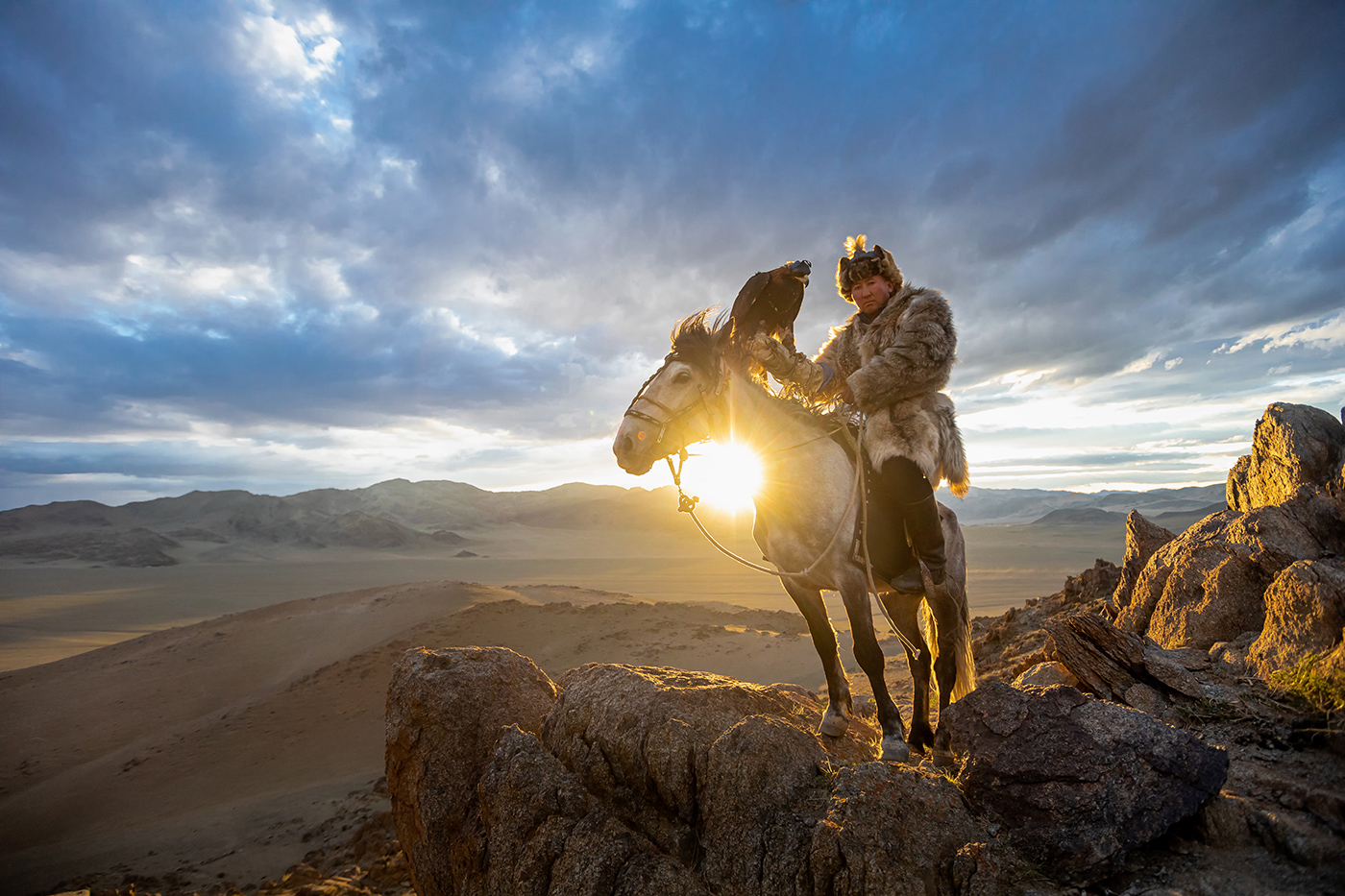
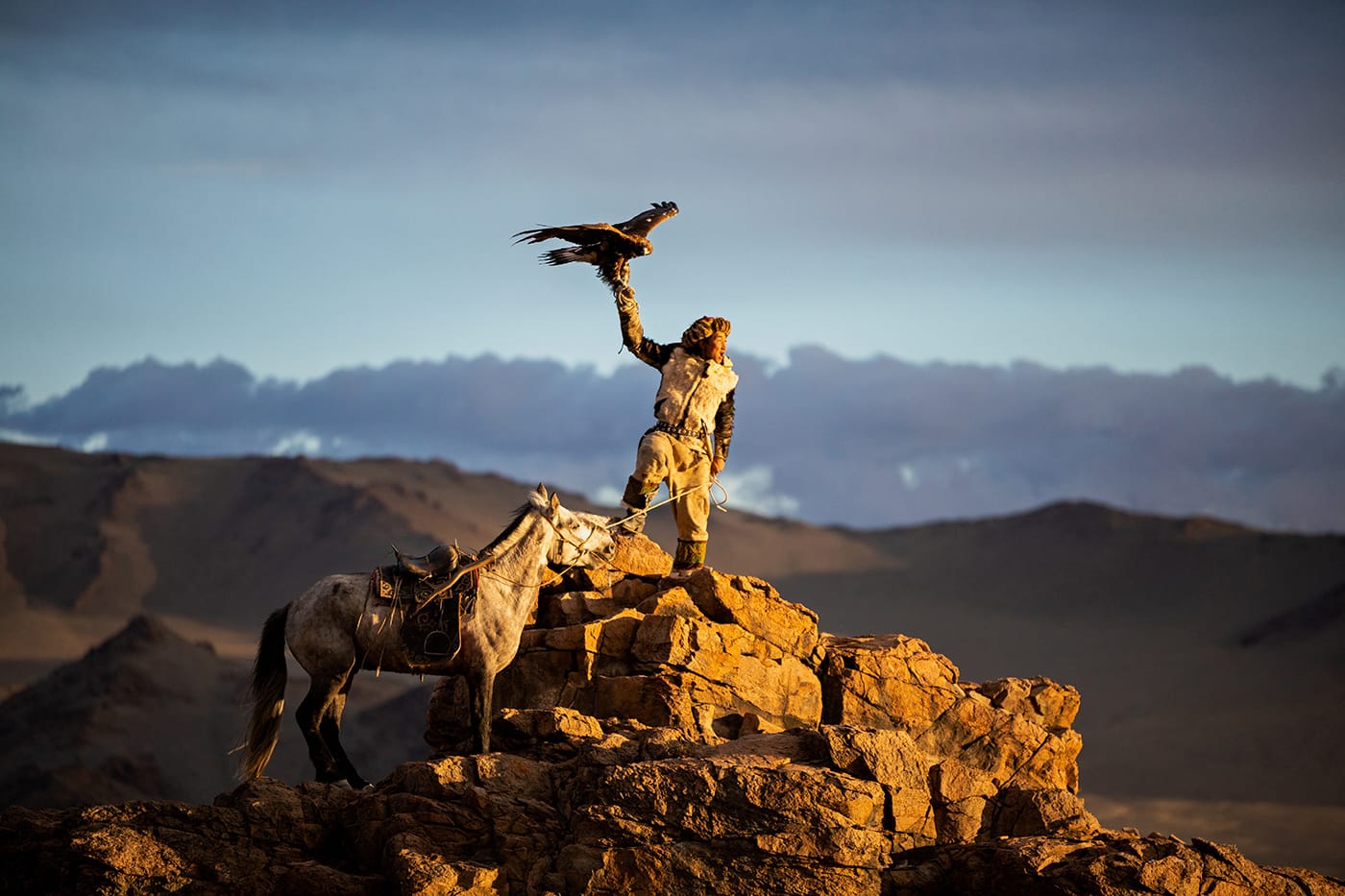
In the afternoon, we travel with an Eagle Hunter to one of the scenic peaks overlooking the valley for a carefully planned photography session. Here, we’ll create an epic “Eagle Hunter on horseback” image, timed precisely to coincide with the dramatic light of sunset and dusk, when the mountains glow and shadows stretch across the snow.
Overnight accommodation will be in a warm, traditional ger (yurt).
Day 8 - Return to Ulgii Town
The day begins with an early morning natural-light portrait session with our local hosts, capturing the final intimate moments in the winter landscape.
After breakfast and a well-earned rest, we begin our journey back to Ulgii, covering approximately 200 kilometers by expedition vehicles. This is a full day of driving through the remote Altai terrain, offering opportunities to observe and photograph the changing landscapes along the way.
Upon arrival in Ulgii, we’ll visit the local market and enjoy some light sightseeing around town. In the evening, we’ll gather to enjoy local cuisine at a traditional restaurant.
Overnight accommodation will be at a hotel in Ulgii.
Day 9 - Landscape, Portraiture & Tolbo Lake Eagle Hunter Photography
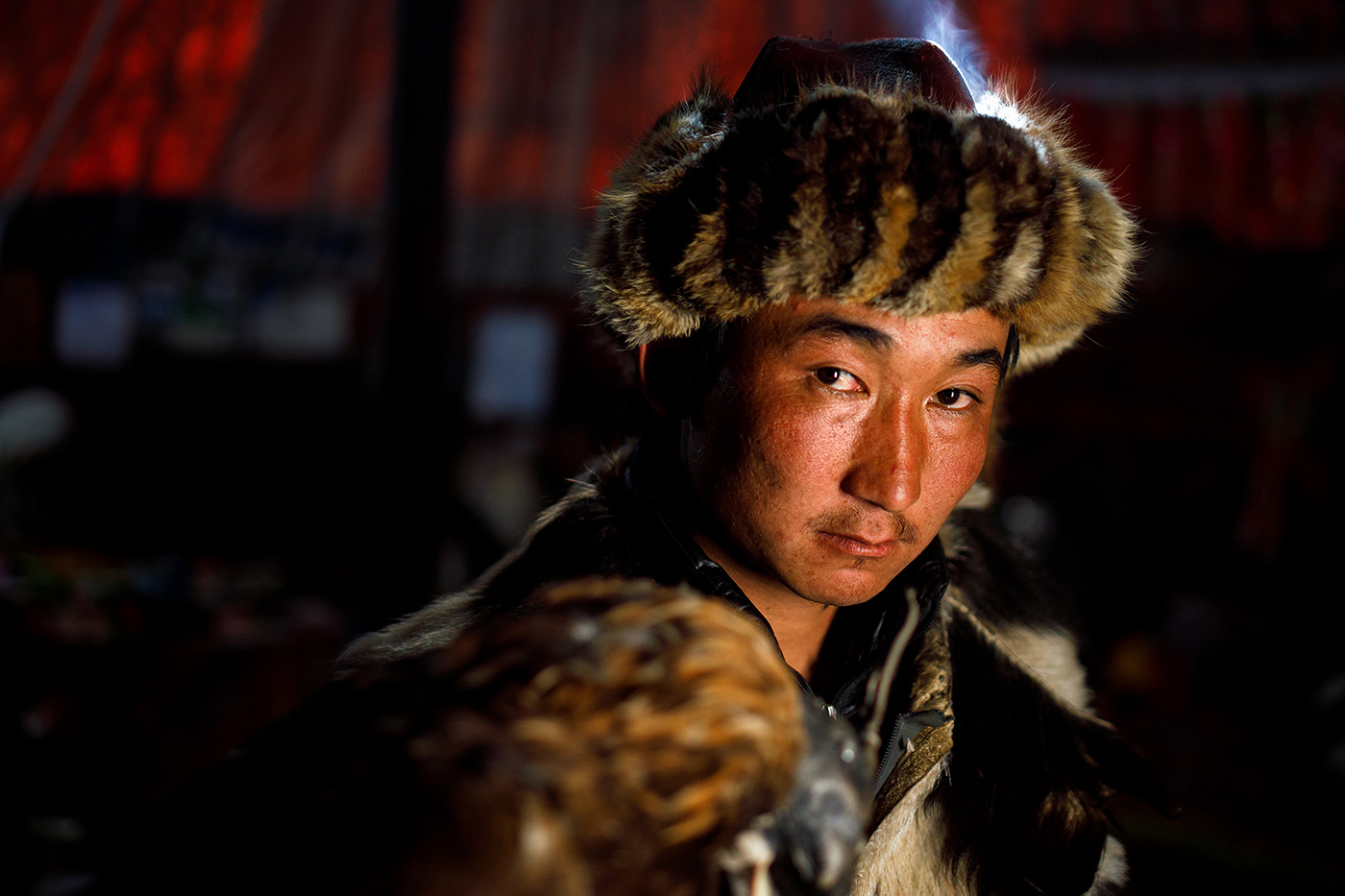
After breakfast, we visit a local Kazakh family, offering excellent opportunities to photograph daily life and create intimate environmental portraits of locals dressed in their traditional attire.
The rest of the day is dedicated to photographing Eagle Hunters and winter landscapes, combining cultural storytelling with wide scenic compositions.
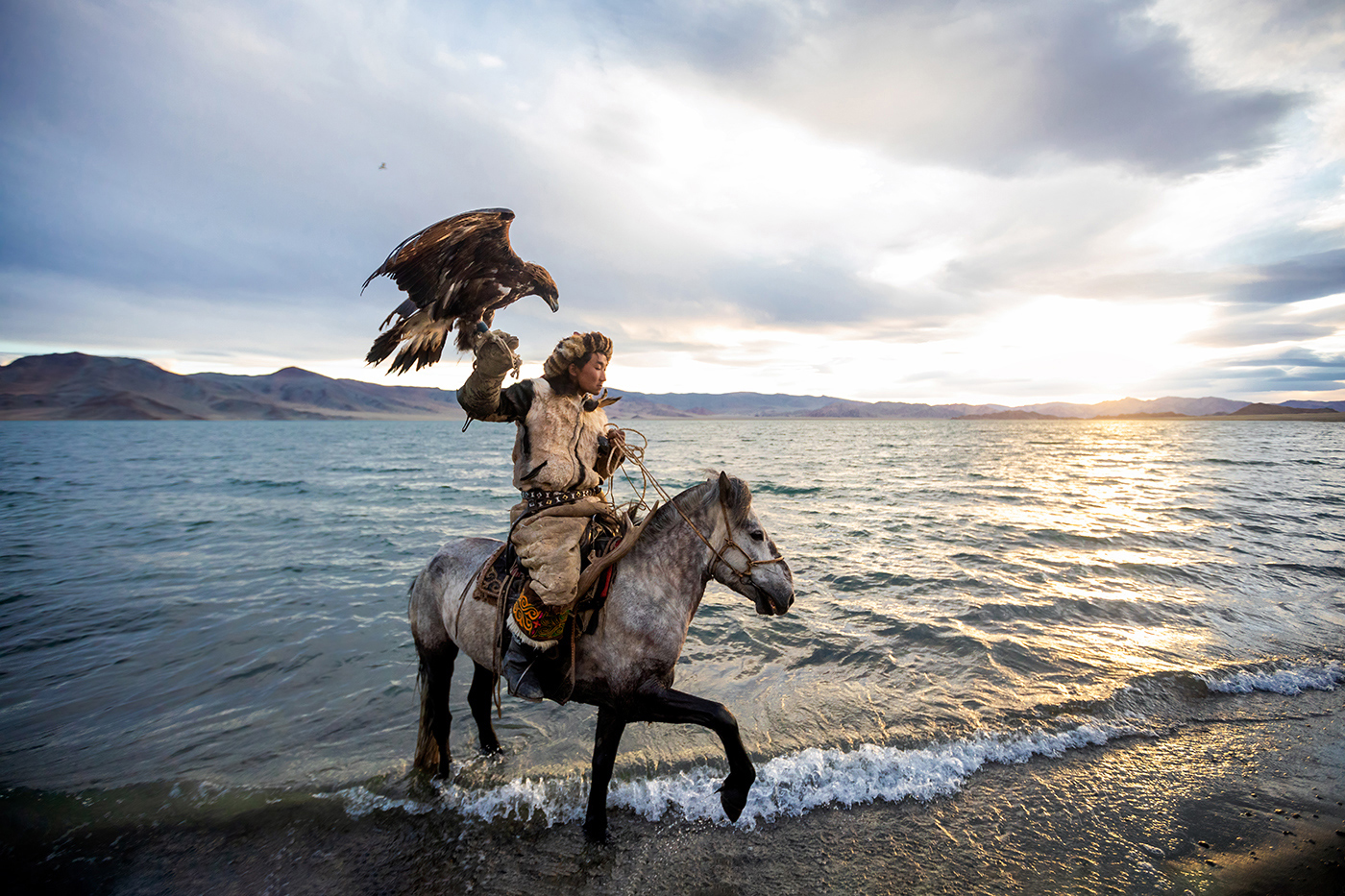
Later in the afternoon, we travel to the breathtaking Tolbo Lake, a stunning alpine setting ideal for an extended sunset photography session. Framed by the dramatic Altai Mountains, you’ll photograph 2–4 Eagle Hunters, with soft winter light adding depth and atmosphere to the landscape.
Overnight accommodation will be at a hotel in Ulgii.
Day 10 - Fly Back to Ulaanbaatar
In the afternoon, we’ll visit a local market to browse and purchase souvenirs and traditional handicrafts—a great opportunity to pick up meaningful keepsakes from Mongolia.
In the evening, we’ll gather for a final farewell dinner at one of my favorite restaurants in the city, a relaxed moment to reflect on the journey and celebrate the images and experiences we’ve shared. Afterward, enjoy a well-deserved night’s rest at our hotel in Ulaanbaatar.
Day 11 - International Departure
Today marks the end of our journey. Our driver will transfer you to Chinggis Khaan International Airport to connect with your international flight home.
Tearful goodbyes follow as we bid farewell, wishing you a safe and pleasant journey and hoping the memories—and photographs—from this remarkable expedition stay with you for years to come.
Important Note About the Itinerary
Mongolia is a remote and unpredictable destination, and factors such as weather, road conditions, and nomadic movements may require adjustments to the itinerary. To accommodate this, we have built flexibility into the schedule, allowing additional buffer days on either side of the migration to ensure the best possible experience.
DATE & PRICES
| Tour | Date | Double Occupancy | Single Occupancy |
|---|---|---|---|
| Eagle Hunters Photo Tour | 22nd Feb to 04th March 2027 | 7200 USD Per Person | 7600 USD Per Person |
| Tour | Date | Double Occupancy | Single Occupancy |
|---|---|---|---|
| Eagle Hunters Photo Tour | 4th - 14th Feb 2026 | 6750 USD Per Person | 7200 USD Per Person |
| Tour | Date | Double Occupancy | Single Occupancy |
|---|---|---|---|
| Eagle Hunters Photo Tour | 4th - 14th Feb 2025 | 6750 USD Per Person | 7200 USD Per Person |
*Limited seats on a first come first serve basis.
***Please read all details on this page including the Terms and Conditions on the website.
Gallery
MEET YOUR MENTOR
Apratim Saha
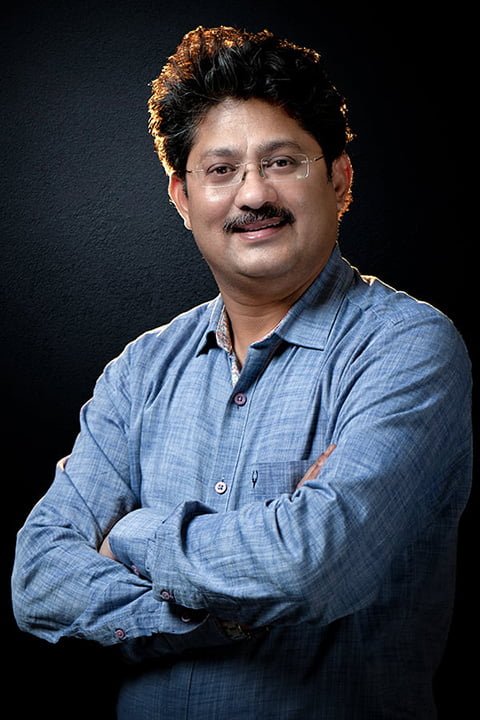
Apratim Saha is the ideal mentor for the Migration of the Eagle Hunters Photo Tour, having successfully led numerous tours in Mongolia. With extensive experience in organizing nomadic eagle hunter migrations, he is well-connected with many eagle hunters personally, allowing him to guide you to the core of the nomadic rituals. Moreover, his in-depth knowledge of people photography enhances the overall tour experience.
Internationally renowned photographer Apratim Saha has been living his dream of travelling to various countries for his photographic assignments and workshops for the past three decades. Apratim is a contributing photographer for National Geographic, Getty Images and Stocksy United. He is a Canon Brand Ambassador and the Global Brand Ambassador and Mentor for Datacolor, Nisi, Godox, Vanguard, Dxo and Blackrapid.
He has over 38 years of experience, from traditional film to digital photography. He is a commercial photographer specializing in people photography, portraiture, lifestyle & editorial clients. Visit Apratim’s website for more.
MEET YOUR MENTOR

Apratim Saha
Apratim Saha is the ideal mentor for the Migration of the Eagle Hunters Photo Tour, having successfully led numerous tours in Mongolia. With extensive experience in organizing nomadic eagle hunter migrations, he is well-connected with many eagle hunters personally, allowing him to guide you to the core of the nomadic rituals. Moreover, his in-depth knowledge of people photography enhances the overall tour experience. Internationally renowned photographer Apratim Saha has been living his dream of travelling to various countries for his photographic assignments and workshops for the past three decades. Apratim is a contributing photographer for National Geographic, Getty Images and Stocksy United. He is a Canon Brand Ambassador and the Global Brand Ambassador and Mentor for Datacolor, Nisi, Godox, Vanguard, Dxo and Blackrapid. He has over 38 years of experience, from traditional film to digital photography. He is a commercial photographer specializing in people photography, portraiture, lifestyle & editorial clients. Visit Apratim’s website for more.
FAQs
Why go on an Exposure Expedition?
At EXPOSURE, we are as passionate about photography as you are, allowing us to fully understand your challenges and needs. This insight enables us to design our Photography Tours and Workshops to help you excel in your craft and set you up for success. Our goal is to provide every participant with a deeply enriching experience, both in terms of photography and personal growth.
- Carefully planned to maximize photo opportunities.
- Incredible destinations
- A small group of 4 – 6 participants
- Led by professional photographers
- Hands-on photography assistance in the field
- Extensive learning off-field
- Image reviews and presentations
- Post-Tour guidance, advice, and assistance
Specifically, you will get –
- A clinically organized expedition with utmost attention to your comfort and needs
- An open, informal environment that promotes interactive learning
- A team that will strategize and work to a plan to optimize opportunities and ensure a great tour
- Practical, hands-on assistance in photography from the tour Mentor/Skippers, both in the field and pre or post-photo tours or workshops.
- Individual interaction with the Mentors over general or specific issues
- First-hand learning from the masters in the art and craft of photography
- That’s not all. When you’re not out in the field using the camera, you will learn and enjoy our sessions on photography techniques, photograph reviews and presentations, and discussions on topics relevant to the Photo Tour in question.
Can I join this trip as a non-photographer?
Absolutely. This expedition is designed to be an immersive cultural journey, and non-photographers are more than welcome to join.
Many participants come along with a partner who is a photographer, while others simply have a deep interest in ancient cultures, nomadic life, and authentic travel experiences. Over the years, we have hosted numerous non-photographers on our Mongolia expeditions, and they have found the experience just as meaningful and rewarding.
While the tour is thoughtfully designed for photographers, it is equally enriching for anyone interested in culture, anthropology, history, spirituality, and genuine human connections. Living alongside nomadic families, observing daily life, traveling with Eagle Hunters, spending time with animals, and witnessing traditions that have remained unchanged for centuries make this journey unforgettable — even without a camera in hand.
You will be fully included in all activities, cultural interactions, visits, and ceremonies. Many non-photographers often say that being present without the pressure of photographing allows them to connect even more deeply with the people and the experience itself.
In short, there is a place for everyone on this journey. Whether you photograph every moment or simply live it, Mongolia has a way of leaving a lasting impression.
How Fit Do I Need to Be to Join This Expedition?
If, like me, you choose to walk the full 150 km of the migration, a fair to good level of physical fitness is recommended. The migration moves at a steady, natural pace with regular breaks.
That said, it is not necessary to walk the entire migration. Participants may walk as much or as little as they wish and can use support vehicles at any time to position ahead of the herds and photograph the migration from different angles. Walkie-talkies allow easy coordination with the support team throughout the day.
Because of this flexibility, mental resilience, adaptability, and comfort in remote conditions are more important than physical strength.
This is a raw and authentic expedition, far removed from modern comforts. Accommodation is in traditional gers, toilet facilities are basic, and showers are not available during the five-day migration due to the extreme cold. Shower facilities will be available again at the end of the journey.
Weather plays a major role in shaping the experience, with clear days often around –15°C and nights dropping to –25°C or colder, along with the possibility of snow and strong winds.
This expedition is not about luxury—it’s about immersion and witnessing one of the world’s last great nomadic migrations from the inside.
Who This Photography Expedition Is For?
This expedition is designed for photographers who are seeking an authentic, immersive field experience and are willing to place storytelling and access above comfort.
It is ideally suited for:
- Photographers who want to document life from within the migration, not from a distance
- Those with a fair to good level of fitness, or the ability to pace themselves over long walking days
- Participants who are comfortable working in extreme cold and unpredictable conditions
- Photographers who understand that meaningful images often require physical effort, patience, and resilience
- Individuals who are adaptable, mentally strong, and open to basic living conditions
- Story-driven photographers who value depth, proximity, and authenticity over convenience
This is not about ticking off locations or chasing comfort. It is about being present, staying close to the story, and creating powerful photographic narratives in challenging environments.
What Should You Expect?
- High Altitude: We will be operating at elevations of approximately 3,500–4,000 metres (maximum), so a reasonable level of acclimatisation and hydration is important.
- Limited Facilities: There will be periods of a few days without bathing facilities, particularly while we are in remote areas during the migration.
- Connectivity Challenges: Internet and mobile networks may be unreliable or unavailable in many regions we travel through.
- Remote Travel Conditions: Expect long drives, rough roads, and vast distances across remote terrain. Travel will be in comfortable, air-conditioned 4×4 vehicles, and accommodations will include first-class hotels in Ulaanbaatar and traditional gers during the expedition. We have carefully selected the best available accommodations at every stop to ensure maximum comfort in challenging environments.
What You Should Not Expect?
A Leisure Holiday: This is a serious photography expedition, not a sightseeing vacation. Participants should be prepared for demanding conditions, early starts, long days, and occasional exposure to extreme and unpredictable weather.
What kind of things should I bring?
Once you register for the expedition, we will guide you thoroughly on winter clothing and essential equipment, ensuring you are fully prepared for the conditions you’ll encounter. You won’t be left guessing—our team will help you plan exactly what you need before departure.
This is a cold-weather expedition, and your packing should reflect that. Weather conditions in Mongolia can be unpredictable, and you’ll spend long hours outdoors—sometimes walking, sometimes traveling in vehicles—so having appropriate gear is essential.
Layering is key. You may alternate between walking and resting in support vehicles depending on comfort and fitness. Our support vehicles follow the route as closely as possible, and part of our team travels ahead each day to set up camp with mattresses, camel-wool blankets, and wood stoves inside each ger. Our staff keeps the fires burning through the night so you can stay warm and dry clothes if needed.
A sleeping bag will be provided, so bringing one is not essential. However, if you prefer using your own sleeping bag for personal comfort or hygiene, you are welcome to bring it.
Below is a suggested packing list to help make your expedition comfortable and fulfilling:
Essential Gear
- Backpack
- Waterproof backpack cover
- Headlamp or flashlight
- Thermoflask
- 2-liter water bottle or water container
- Money belt or pouch
- Insurance confirmation copy
- Emergency contact details
Clothing (Cold Weather & Layering)
- Waterproof winter jacket (extreme cold-rated, with hood)
- Waterproof over-pants
- Lightweight trousers
- Long underwear / thermal base layers
- Warm hat
- Winter gloves + insulated snow gloves
- Wool socks
- Underwear
- Comfortable snow boots for walking
- Waterproof hiking boots
Tip: Layering is essential. 4–7 layers are usually sufficient, depending on activity levels and weather conditions.
Personal Items
- Sunglasses (bring a spare pair)
- Sunscreen
- Wet wipes/tissues
- Personal toiletries
- Personal medications
- Basic medicines (headache, fever, stomach upset, etc.)
- Anti-mosquito lotion (useful during certain conditions)
Suggested Equipment
You should bring cameras, a laptop (for editing in the evenings), and a head torch. These kinds of things instantly spring to mind. Don’t worry about recharging since we will have generators to top up our gear each night. Once you confirm your booking with a deposit, we will send you all the information you need to fully prepare yourself for this epic journey.
This is just an idea about the suggested camera and accessory:
- One or two DSLR or Mirrorless (Full Frame or Crop Sensor) cameras. If you use a full-frame DSLR or mirrorless camera, for much of the time, when photographing Eagle Hunters, you will want to cover focal lengths of around 24-70mm or 24-105mm and 70-200mm. However, a kit lens (18-55/3.5 or 4.0) will also work.
- For photographing hunters from a distance, consider bringing a larger zoom or prime telephoto lens for photography, of up to 300mm.
- If you bring a good quality bridge camera instead of a DSLR or mirrorless camera, it will be best if it has an optical zoom of 18-20x or more, combined with a reasonable wide-angle at the other end of the zoom range.
- Protector for your lens.
- A Sturdy Tripod could be required to shoot some low-light images.
- Power Bank & Electric Socket Extension.
- Adequate memory card and Card reader.
- Be sure to bring plenty of spare battery power for your camera and external hard drive with adequate space and a card reader. There will likely be only limited access to power when we stay with the nomads.
- A Computer with photo-processing software [Lightroom, Photoshop]. (If you do not have this software, don’t worry, we’ll provide it.)
- Carry a small soft cloth or towel that you may require to wrap your camera during the night shoot.
- Carry a microfiber to wipe the lens if ice crystals form.
Health and vaccinations
The CDC and WHO recommend several vaccinations for travellers to Mongolia, including:
- Hepatitis A: Commonly recommended for travel to Mongolia.
- Hepatitis B: A viral infection spread through blood, semen, and vaginal fluids.
- Typhoid: A food and water-borne disease, recommended for some itineraries.
- Rabies: A viral infection usually transmitted through contact with an infected animal’s saliva, such as a bite, scratch, or lick to an open wound or mucous membrane. Consider getting a rabies vaccination before travel, especially for longer trips, if you’re at risk, or if you want lifelong protection.
- Other vaccinations that may be recommended include: Tetanus, Meningitis, Polio, Measles, mumps, and rubella (MMR), Tdap (tetanus, diphtheria, and pertussis), Chickenpox, Shingles, Pneumonia, Influenza, and COVID-19.
We recommend consulting your doctor for advice on vaccinations. For more advice on vaccinations, you can also visit: https://www.who.int/travel-advice/all-updates-for-travellers
Climate
During this season, weather conditions in both western and central Mongolia are typically cold, dry, and sunny. Daytime temperatures usually range between –10°C and –15°C (14°F to 5°F), while nighttime temperatures commonly drop to around –25°C (–4°F).
On rare occasions, especially in remote high-altitude regions, temperatures can fall as low as –40°C (–40°F).
Clear skies are common, creating excellent conditions for winter photography, though sudden weather changes are always possible in this remote environment.
Travel Information
Arrival Airport: Chinggis Khaan International Airport (UBN)
Departure Airport: Chinggis Khaan International Airport (UBN)
Travel Visa & Immigration
You will generally need a tourist visa for the country where we run your chosen tour. On your landing/immigration form, you should state that you are on a group tour if requested, and provide the name of our local tour operator. We will provide the necessary details once your booking is confirmed.
All travellers will require a visa to enter Ulaanbaatar, which must be obtained before travel. It is recommended to check with your nearest embassy for the most up-to-date visa regulations. As visa rules can vary according to your country of residence as well as the country that issued your passport, we strongly advise that you research the relevant visa rules before you travel. Go to Visa Map to find out more.
EXPOSURE cannot be held responsible for participants’ entry or exit arrangements. Obtaining all required visas, permits, and travel documentation is solely the responsibility of the participant. No refunds will be issued in the event that entry into the destination country is refused for any reason.
Local Conditions
Mongolia is one of the safest countries in Asia. It ranks as the 8th safest country in Asia after countries such as Singapore, Japan, Malaysia, and Kuwait and 40th in the world. Mongols are very friendly people. Whether you are in the city or in the countryside, the Mongolians treat you with respect and are always happy to help you. And you should also show them your respect and not offend their beliefs and traditions.
It would be very grateful if you could learn a few Mongolian words such as “Hello”, “How are you?”, and “Thanks”. Showing hospitality to guests is in our blood. It is in our culture that when travellers come to us, we must feed them and help them with everything.
After all, nomads believe that every guest brings goodness to the family. In the city, if you ask someone for directions, they will probably do their best to show you the way. In every public place like restaurants and shops, they are very kind and always smiling.
Mandatory Insurance
We highly recommend that you get travel and medical insurance. Your own domestic medical insurance and private health scheme will not cover you whilst you are overseas.
Travel Advice
We work closely with an exceptional and highly experienced local team in Mongolia. With over a decade of on-ground expertise, they are fully equipped to support the safe and smooth operation of our expeditions in some of the country’s most remote regions.
Our local partners have previously worked with renowned international organizations such as BBC Earth, National Geographic, and Discovery, providing logistical and field support in challenging environments.
Your safety and well-being are our highest priorities. If you have any questions or concerns regarding travel, safety, or logistics, please don’t hesitate to contact us—we’ll be happy to address them in detail.
Additional Recommendations
TERMS AND CONDITIONS
- All domestic flights
- Reception at the airport on arrival.
- All transportation from Ulaanbaatar to Ulaanbaatar. Overland transport.
- Transportation by 4×4 vehicles air-conditioned. Maximum 3 photographers per car.
- Accommodations in a Single Occupancy in hotels and shared occupancy in Ger.
- Breakfast, Lunch & Dinner on all days including non-alcoholic drinks.
- Expert guidance on Photography.
- English-speaking guide.
- All entrance, zone and camera fees.
- Local model donations.
- Cook, assistant of the cook.
- Plenty of drinking water.
- Camping and kitchen equipment (tents, sleeping bags, mats, tent for shower).
- National Park permits.
- International flights.
- Visa fees.
- Travel insurance.
- Extra hotel charges.
- Gifts, personal treats.
- All expenses of a personal nature.
- Excess baggage costs.
- Alcohol drinks.
- Personal needs and laundry.
Everything mentioned is included; beyond that, from the moment we pick you up at Ulaanbator Airport, we will take care of everything for you – things you can think of and probably quite a few things you can’t.
Important points to be noted
- The expedition is designed from Ulaanbaatar to Ulaanbaatar.
- This expedition is carefully conceptualized to allow personal attention for every participant. To ensure this, the group is strictly limited to four (4) participants.
- The tour is specifically designed for photographers. Non-photographer spouses or companions may join the expedition at full cost, provided they agree to follow the expedition schedule and group dynamics.
- While every effort will be made to adhere to the planned itinerary, unforeseen circumstances, weather conditions, or logistical challenges may require changes to the schedule.
- Please note that tour costs and dates are subject to change, as some partner accommodations and domestic airlines may not have finalized their rates at the time of booking. Should revisions be necessary, we will make every effort to keep changes minimal and communicate them promptly.
- Program timings may be adjusted during the expedition based on real-time conditions and operational requirements.
- EXPOSURE reserves the right to amend, correct, or revise tour prices in case of errors. Please refer to our “Terms and Conditions” for full details.
- If a suitable match for your preferred accommodation occupancy is unavailable, EXPOSURE reserves the right to upgrade you to the next available option, with any difference in cost payable by the participant.
- The maximum number of participants is stated under “Group Size” for each tour or workshop. However, EXPOSURE reserves the right to add up to two additional participants if operationally required.
- Participation in this expedition requires signing an informed consent document prior to departure.
- The Altai region has limited and inconsistent access to healthcare facilities, especially outside Ulaanbaatar. Medical services and pharmaceuticals may be scarce or unavailable in remote areas.
- As this is an international destination, mobile phones will not function without international roaming. Local SIM cards can be purchased in Mongolia upon presentation of a passport.
Deadlines
Registration is open from 25th December 2025 till 31st October 2026 or till the seat reservations end.
Conditions
- This photo tour requires a minimum of 3 participants to proceed. If the minimum number is not met, the trip may be postponed or cancelled, and any deposits will be fully refunded.
- This is not a luxury tour. The expedition involves long days in cold, remote environments, and a reasonable level of physical fitness and adaptability is required.
- Participation is confirmed on a first-come, first-served basis, subject to email confirmation. For any questions or assistance, please feel free to reach out to us.
Booking
To reserve your spot, a 30% deposit of the full tour amount is required at the time of booking. The remaining balance must be paid 90 days before the tour. You can pay via the online payment link on our website, or request our account details or PayPal information for the transfer. Your reservation may be cancelled if full payment is not received by the specified deadline. After making the payment, please send us a copy or screenshot of the bank receipt. Upon confirmation, we will email you the Rules and Regulations of the tour, securing your spot on the photo tour.
Cancellation And Refunds
All cancellations must be made in writing (email is acceptable) and will take effect on the date of receipt (by standard mail or electronically). Once the tour begins, there can be no refunds for any unused portions, including rooms, meals, flights, tour days, events, or services. Please note that the cancellation penalties outlined below are based on costs incurred by EXPOSURE on your behalf, including non-refundable deposits or payments to agents, hotels, airlines, etc.
In the event of a cancellation or modification of your confirmed booking, EXPOSURE’s Cancellation and Refund Policy will apply, and you must fully agree to be bound by it. Any refunds will be processed within 15 working days from the date of written confirmation of cancellation, via the same method used for payment.
Cancellation fees are as follows:
- 40% of the total fee if cancelled 90 days or more before the start of the trip.
- 100% of the total fee if cancelled 59 days or less before the start of the trip.
Please carefully read all details on this page and the Detailed Terms and Conditions, as well as the Disclaimer/Undertaking in the Registration cum Booking Form.
Trip cancellation by EXPOSURE:
- In the unlikely event that EXPOSURE must cancel a tour or workshop due to a lack of participants or any other reason, a full refund, including the deposit, will be issued.
- We will notify you in advance if a cancellation is being considered. If a photo tour is cancelled, 100% of your deposit and payments will be refunded.
- However, EXPOSURE is not liable for any expenses incurred, such as airfare, accommodations, or equipment costs. For this reason, we strongly recommend purchasing travel insurance with trip cancellation coverage.
TESTIMONIALS

We had an incredible experience on the Omo Valley Photo Tour with Apratim. From the moment he met us at the airport, everything was thoughtfully planned and professionally executed. We were given rare, immersive access to the tribal communities of...